Passive fire protection forms a critical part of any building’s overall fire safety strategy. Unlike active systems such as alarms or sprinklers, passive fire protection systems are built into the structure of a building, working automatically to slow the spread of fire, heat, and smoke. Their purpose is to protect structural integrity, maintain safe escape routes, and provide vital time for evacuation and emergency response.
At Brunel Security, we deliver tailored passive fire protection solutions designed to support compliance with UK fire safety legislation while providing long-term protection for people, property, and business continuity. From fire stopping and compartmentation to fire door installation and structural fire protection, our solutions are designed around the specific risks within your building.
With over 30 years of experience in fire and security systems and nationwide coverage, we support building owners, facilities managers, and compliance professionals in maintaining safe, compliant environments across industrial, education, healthcare, commercial, and residential sectors.
What Is Passive Fire Protection and Why Is It Critical?
Passive fire protection is often unseen, but its role during a fire incident is fundamental. Without properly installed and maintained passive fire systems, fire and smoke can spread rapidly through hidden voids and structural openings, increasing risk to life and significantly worsening property damage.
The Difference Between Active and Passive Fire Safety
Active fire safety systems are designed to detect or respond to a fire once it has started. These include fire alarms, sprinklers, and suppression systems that require activation or intervention.
Passive fire safety, by contrast, is always in place. It is built into the structure of the building and functions automatically without requiring activation. Fire-resistant walls, floors, doors, and penetration seals work together to contain fire within defined areas, slowing its progression and protecting escape routes.
Both approaches are essential, but passive fire protection provides the foundation upon which active systems operate effectively.
How Passive Fire Systems Protect Your Structural Integrity
Fire can weaken structural elements rapidly, particularly steel and load-bearing components. Passive fire protection systems are designed to maintain structural stability for a defined period, preventing premature collapse and allowing safe evacuation and firefighting operations.
Fire compartmentation also limits the spread of smoke and toxic gases, which are often the greatest risk to life during a fire incident.
In the UK, there were 279 fire-related fatalities and 6,650 non-fatal casualties in the year ending June 2025, with over 74% of fatalities occurring in dwelling fires. These figures highlight the importance of effective fire containment measures and the role passive fire protection companies play in reducing risk across all building types.
Comprehensive Passive Fire Control Services
At Brunel Security, we provide a complete range of passive fire control services, ensuring that buildings are protected at every structural level.
Fire Stopping and Penetration Sealing for Service Voids
Modern buildings contain numerous service penetrations for cables, pipes, and ventilation systems. If left unsealed, these openings can allow fire and smoke to travel quickly between compartments.
Fire stopping involves sealing these penetrations using tested and certified materials that restore the fire resistance of walls and floors. This prevents unseen fire spread through service voids and helps maintain effective compartmentation.
Structural Steel Fireproofing and Intumescent Coatings
Structural steel can lose strength rapidly when exposed to high temperatures. Intumescent coatings and fireproofing systems provide a protective layer that expands when exposed to heat, insulating steel components and maintaining structural stability for longer periods.
This protection is critical in industrial, commercial, and public buildings where structural failure could have severe consequences.
Fire Compartmentation: Walls, Floors, and Cavity Barriers
Fire compartmentation divides buildings into smaller fire-resistant sections designed to contain fire within a limited area. This includes fire-rated walls, floors, ceilings, and cavity barriers that prevent fire spreading through concealed spaces.
Effective compartmentation reduces damage, protects escape routes, and supports safer evacuation procedures.
Fire Door Installation, Remediation, and Maintenance
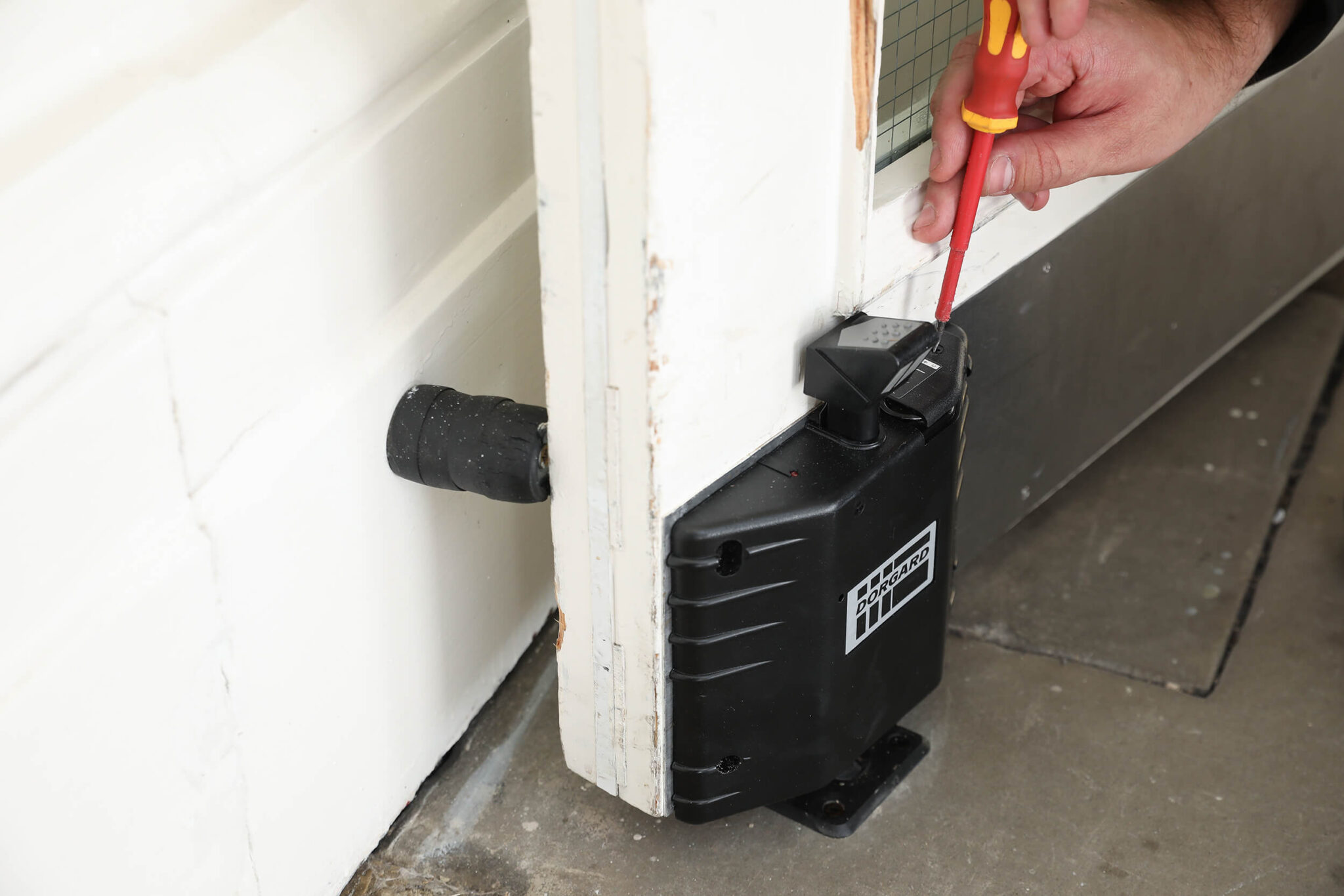
Fire doors play a vital role in passive fire protection by preventing fire and smoke from spreading between compartments. However, poorly maintained or incorrectly installed fire doors can fail during an incident.
Brunel Security provides fire door installation, remediation, and ongoing maintenance to ensure doors perform as intended and remain compliant with relevant standards.
Specialist Passive Fire Protection for Your Sector
Different environments present different fire risks. Our passive fire protection solutions are designed around how buildings are used and the challenges each sector presents.
Protecting Education Campuses and Student Accommodation
Education environments require reliable compartmentation to protect high traffic buildings and support safe evacuation. Passive fire protection ensures corridors, staircases, and escape routes remain protected while minimising disruption to daily operations.
Fire Safety Solutions for Industrial and Manufacturing Sites
Industrial environments often include high-risk processes, large open spaces, and extensive service penetrations. Passive fire systems help contain incidents, protect critical equipment, and limit operational downtime.
Heritage Site Protection and Healthcare Compliance
Heritage and healthcare buildings present unique challenges where safety must be balanced with preservation or continuous occupancy. Passive fire protection provides discreet, compliant solutions that protect occupants while respecting building constraints.
Why Choose Brunel Security for Passive Fire Protection?
Over 30 Years of Industry Experience and UK-Wide Reach
We provide decades of experience in delivering fire safety solutions across complex and regulated environments. Our practical approach ensures systems are designed to perform in real-world conditions.
NSI Gold Standard Compliance and Certified Expertise
Our NSI Gold accreditation demonstrates adherence to strict technical, operational, and quality standards. Clients can be confident that all passive fire protection works are completed to recognised industry benchmarks.
Bespoke Safety Solutions Tailored to Your Specific Risks
No two buildings are identical. We assess each environment individually, ensuring passive fire protection systems are designed around actual risk rather than generic specifications.
Part of the Obsequio Group: An Integrated Safety Offering
As part of the Obsequio Group, we can deliver integrated fire and security solutions alongside passive fire protection. This allows clients to manage fire detection, protection, and compliance through a single trusted partner. Additionally, we also offer services in water hygiene, asbestos management, enerfy and environmental compliance services.
Ensuring Long-Term Compliance and Safety
Passive fire protection is not a one-time installation. Ongoing inspection and maintenance are essential to ensure systems remain effective throughout a building’s lifecycle.
The Importance of Regular Passive Fire Assessments
Building alterations, new service installations, or general wear and tear can compromise compartmentation over time. Regular inspections help identify gaps, damage, or non-compliant installations before they become safety risks.
Routine assessments also support compliance with fire risk assessments and regulatory responsibilities.
System Maintenance, Monitoring, and Upgrades
We provide ongoing maintenance and remediation services to keep passive fire systems fully compliant. Where standards or building usage changes, we can upgrade or improve existing protection to meet current requirements.
FAQ’s
Active protection (like alarms and sprinklers) requires a trigger to react to fire, whereas passive protection is built into the building’s fabric to contain fire automatically.
Yes, under the Regulatory Reform (Fire Safety) Order 2005, building owners must ensure adequate fire safety measures are in place, which includes maintaining compartmentation and fire doors.
Critical elements like fire doors should typically be inspected every six months, while a full building fire risk assessment should be conducted annually.
Yes, we specialise in both new-build installations and retrofitting or remediating existing structures to bring them up to modern safety standards.
Fire stopping involves sealing gaps around service penetrations (like pipes or cables) in fire-rated walls and floors to prevent smoke and flames from passing through.