A fire aspiration system, also known as aspirating smoke detection (ASD) or air sampling detection, provides high-sensitivity fire protection designed for environments where early warning is critical. Unlike conventional detectors that wait for smoke to reach them, aspirating systems actively draw air through a network of sampling pipes, allowing smoke particles to be identified at the pre-combustion stage.
This ability to detect fire before smoke becomes visible makes aspirating smoke detection essential for high-value, mission-critical, or sensitive environments where even a small incident can lead to significant disruption or loss.
At Brunel Security, we provide full lifecycle support for fire aspiration systems, including system design, installation, commissioning, monitoring, and ongoing maintenance. As an NSI Gold accredited provider, we ensure every system is compliant, reliable, and tailored to the specific risks within your building.
How Aspirating Smoke Detection Works
Aspirating smoke detection systems operate differently from traditional fire alarm devices. Rather than relying on smoke naturally reaching a detector, they continuously sample air from protected areas to identify the earliest signs of combustion.
High Sensitivity Smoke Detection Technology Explained
A fire aspiration system is designed to detect extremely small concentrations of smoke particles, often long before a fire develops into a visible or dangerous stage. In many applications, aspirating smoke detection systems can detect a fire up to 30 times faster than conventional point-type smoke detectors, providing valuable time to investigate and respond before escalation occurs.
The early intervention capability of high sensitivity smoke detection is particularly important in environments where downtime, asset damage, or operational interruption carries significant consequences.
The Role of the Central Detection Unit and Sampling Pipes
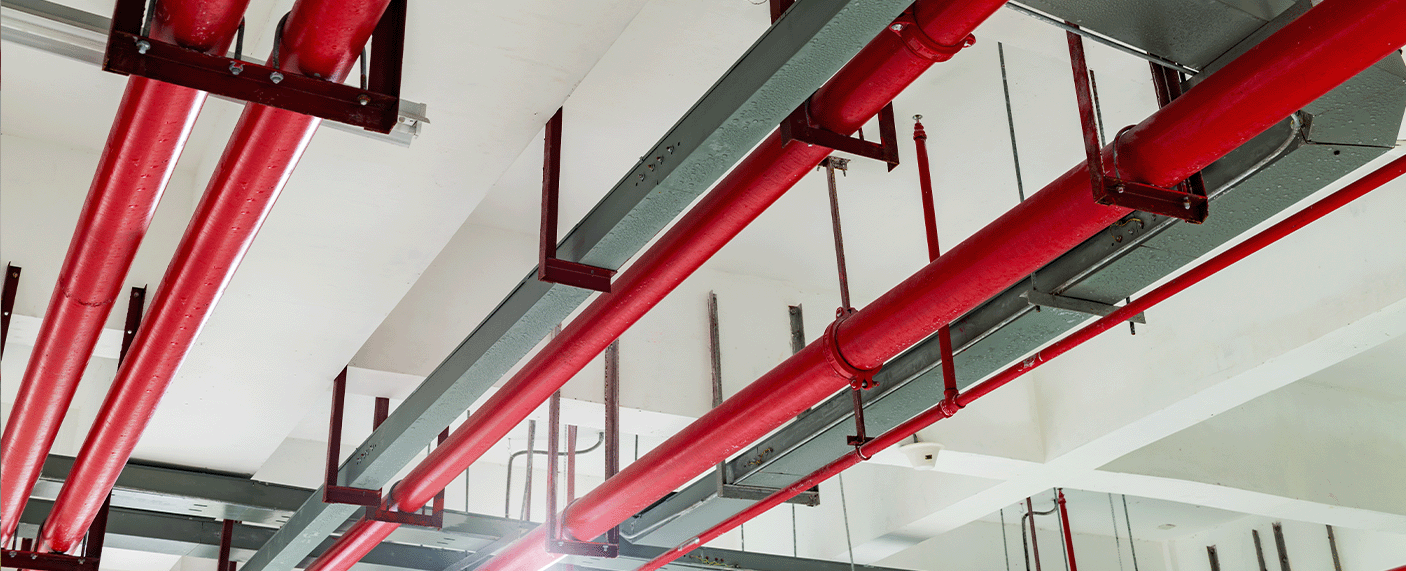
Air is drawn through a network of small pipes installed throughout the protected area. These pipes contain discreet sampling points that continuously collect air samples and deliver them to a central detection unit.
The detection unit analyses the air for smoke particles and provides graduated alarm levels, allowing building managers to respond appropriately – from investigation alerts through to full evacuation where required.
This approach allows large or complex areas to be monitored efficiently with minimal visual impact.
Dual-Wavelength Technology: Differentiating Smoke from Dust and Steam
Modern aspirating systems use advanced optical detection methods, including dual-wavelength technology, to distinguish genuine smoke particles from environmental contaminants such as dust, steam, or exhaust fumes.
This intelligent analysis significantly reduces false alarms, making aspirating smoke detection particularly effective in challenging environments where traditional detectors may struggle.
Key Benefits of an Aspirating System
A fire aspiration system offers several practical advantages over conventional fire detection methods, particularly where reliability and early intervention are essential.
Ultra-Early Fire Detection at the Pre-Combustion Stage
The primary benefit of aspirating smoke detection is its ability to identify potential fire conditions before flames or visible smoke develop. This provides critical time to investigate, isolate equipment, or take corrective action before serious damage occurs.
Reduced False Alarms Through Intelligent Air Filtration
Integrated filtration systems remove dust and airborne contaminants before analysis, allowing the system to maintain sensitivity without generating unnecessary alarms. This improves operational continuity and reduces disruption.
Aesthetic and Discrete Protection for Heritage and Prestigious Sites
Sampling pipes and detection points are small and unobtrusive, making aspirating systems ideal for heritage buildings, museums, or architecturally sensitive environments where visual impact must be minimised.
Ease of Maintenance in Restricted or Hard-to-Reach Areas
As detection occurs at a central unit, maintenance and testing can often be carried out at accessible locations rather than at ceiling height. This improves safety and reduces maintenance costs in large or high-ceiling environments.
Common Applications for ASD and Air Sampling Detection
Aspirating smoke detection is typically specified where environmental conditions or operational requirements make conventional detection unsuitable or insufficient.
Data Centres and Server Rooms: Combating High Airflow Dilution
High airflow environments can dilute smoke, delaying detection by standard devices. Aspirating systems actively sample air, ensuring early warning even where ventilation systems would otherwise disperse smoke particles.
Cold Storage and Warehouses: Reliable Detection in Extreme Temperatures
Extreme temperatures can affect traditional detectors. Aspirating systems allow detection units to be installed outside harsh environments while sampling pipes monitor the protected area, ensuring consistent performance.
Heritage Buildings: Discrete Fire Safety for Sensitive Architecture
Historic and listed buildings often require discreet fire protection solutions. Aspirating smoke detection provides effective protection without intrusive devices that may compromise aesthetics or building fabric.
Industrial and Hazardous Environments: Protection Against Dust and Contaminants
Industrial environments frequently contain airborne particles that can cause false alarms in standard systems. ASD technology filters and analyses air samples intelligently, maintaining reliability in demanding conditions.
Why Choose Brunel Security for Your Fire Aspiration System?
Decades of Experience in UK Fire and Life Safety
We bring over 30 years of experience in designing and installing fire detection systems across commercial, industrial, and regulated sectors. Our approach focuses on practical, reliable protection rather than unnecessary complexity.
Bespoke Solutions Tailored to Your Specific Sector Risks
Every aspirating system we install is designed around the specific risks of your environment, ensuring appropriate sensitivity levels and system configuration for optimal performance.
NSI Gold Accredited Monitoring and 24/7 Support
Our NSI Gold accreditation demonstrates our commitment to quality, technical excellence, and compliance. Combined with 24/7 support and monitoring options, you can be confident your system remains operational at all times.
Integrated Fire and Security from a Single Trusted Partner
As an integrated fire and security provider, we can connect aspirating systems with wider fire alarm and security infrastructure, simplifying management and improving overall site safety.
Our Service Lifecycle: From Design to Maintenance
A fire aspiration system requires specialist design and ongoing support to operate effectively. Brunel Security manages every stage of the process to ensure long-term reliability.
Expert Site Surveys and System Specification
Our engineers conduct detailed site surveys to understand airflow patterns, environmental conditions, and risk levels before specifying the most appropriate aspirating system.
Professional Installation and Commissioning
Systems are installed and commissioned by experienced engineers to ensure correct calibration, sensitivity levels, and compliance with relevant standards.
Ongoing Maintenance and Regulatory Compliance Support
Regular servicing ensures continued performance and compliance. Our maintenance programmes include inspection, testing, and calibration to keep your system operating as intended throughout its lifecycle.
FAQ’s
Standard detectors wait for smoke to reach them (passive), while ASD actively draws air into a sensor for much earlier detection.
Yes, modern ASD systems use advanced filtration and algorithms to distinguish between dust and genuine smoke particles, significantly reducing false alarms.
To ensure reliability and compliance, systems should be audited every 6–12 months, though specific environments may require more frequent testing.
Absolutely. The small sampling holes are virtually invisible, making it the preferred choice for protecting heritage sites without impacting aesthetics.